Teeth grinding in Shepherds Bush
Book a consultation for your teeth grinding – let us help you
- Waking up with headaches or earaches
- Jaw stiffness or clicking/popping sounds when you eat
- Flattened, chipped, or worn-down teeth
- Facial pain or tension in the neck and shoulders
 Relieve your symptoms and reduce pain
 Relieve your symptoms and reduce pain
At The Bush Dental Clinic, we understand that a healthy smile is about more than just aesthetics; it’s about comfort and function. If you find yourself waking up with a sore jaw, a dull headache, or sensitive teeth, you might be experiencing the effects of teeth grinding, known as Bruxism, or TMJ issues.
For many patients in Shepherd’s Bush, Botox® for bruxism has become a recognised therapeutic option. While many know this treatment for its cosmetic uses, its ability to relax overactive muscles makes it a valuable tool in dental care. When methods such as mouthguards (splints) aren’t enough, we may discuss the use of therapeutic Botox® injections as part of your treatment plan.
Why does bruxism occur?
There are many factors which can lead to teeth grinding, and it’s often a combination of physical, psychological, and genetic factors. If patients suffer from an abnormal bite, where the teeth do not come together properly, or they have crooked or missing teeth, this can cause bruxism. Awake bruxism can be due to emotions such as stress and anxiety, tension, anger, or frustration. People who experience lifestyle stressors account for the majority of bruxism cases.
Sleep bruxism can also occur. This is when anxiety from work or at home can manifest itself subconsciously when the person is sleeping. This continued tooth grinding and jaw clenching wear away the enamel on the teeth and can lead to more permanent damage. Sleep bruxism can tend to be inherited from other family members.
Bruxism can also be an uncommon side effect of some psychiatric medications. Similarly, people who smoke or drink excessively or take recreational drugs can develop bruxism. It can also be associated with some medical conditions such as Parkinson’s disease, dementia, epilepsy, sleep-related disorders, and ADHD.
Do you struggle with these symptoms?
Many people grind their teeth at night without even realising it. This condition can lead to more complex problems with the Temporomandibular Joint (TMJ), the hinge that connects your jaw to your skull.
The signs and symptoms of bruxism/temporomandibular joint disorders can be as varied as the causes, but you may experience one or more of the following symptoms:
- Teeth can appear shorter or get worn down
- Teeth or fillings can break or fall out
- A change in your bite and how your teeth meet
- Clicking, popping, or grating sounds when you move your jaw
- Difficulty opening and closing your mouth or a ‘locking’ jaw
- Pain or discomfort in your jaw muscles, especially when you eat or yawn
- Pain in front of your ears, which may spread to your face, head, neck, or upper back
- Migraines or headaches
- Pressure behind your eyes or inside your ears
If you are suffering from any of the above symptoms, it’s worth booking in a consultation with us, and we can discuss your treatment options and tailor a plan to suit your specific needs.
Advanced solutions at The Bush Dental Clinic
We don’t believe in a “one size fits all” approach. Our clinic uses state-of-the-art technology to diagnose the root cause of your discomfort and provide a tailored treatment plan:
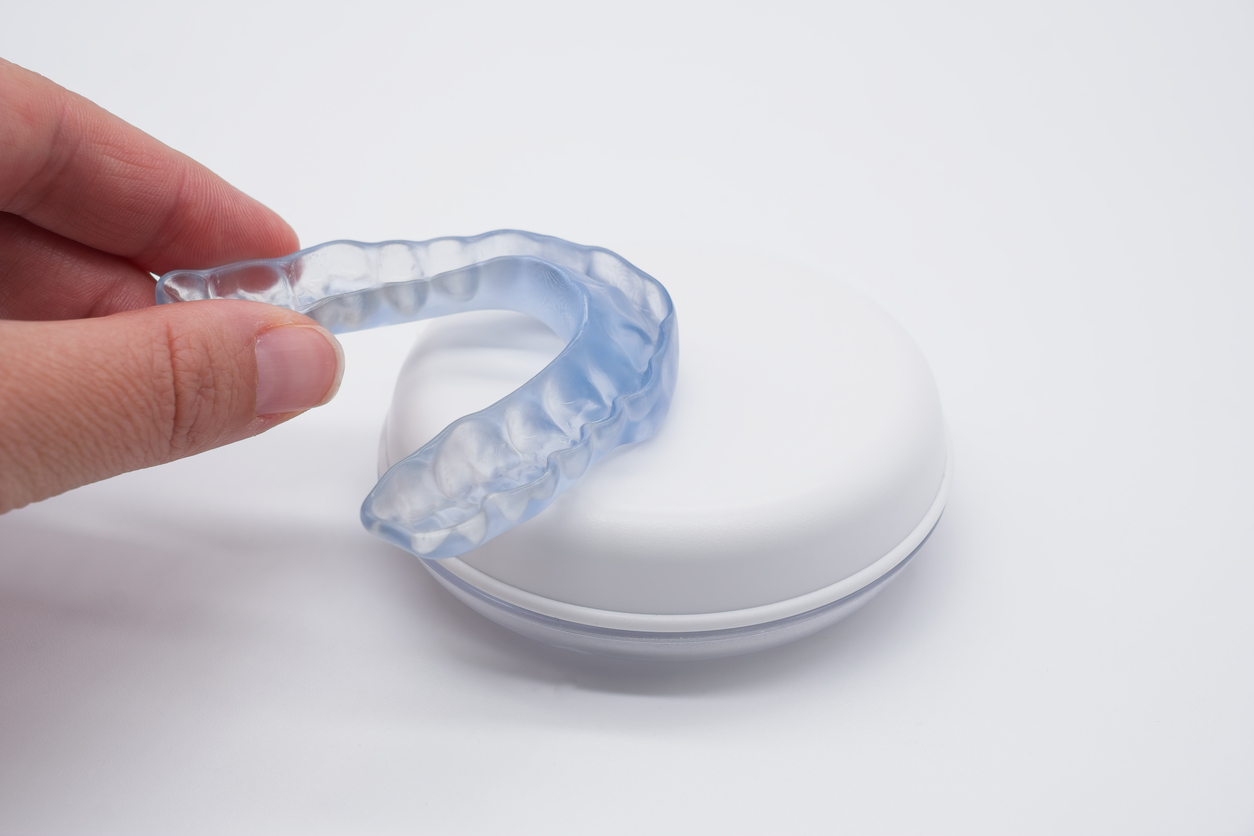
- Custom-made night guards & splints: We can create bespoke oral appliances that comfortably fit your teeth, preventing grinding and taking the pressure off your jaw joints.
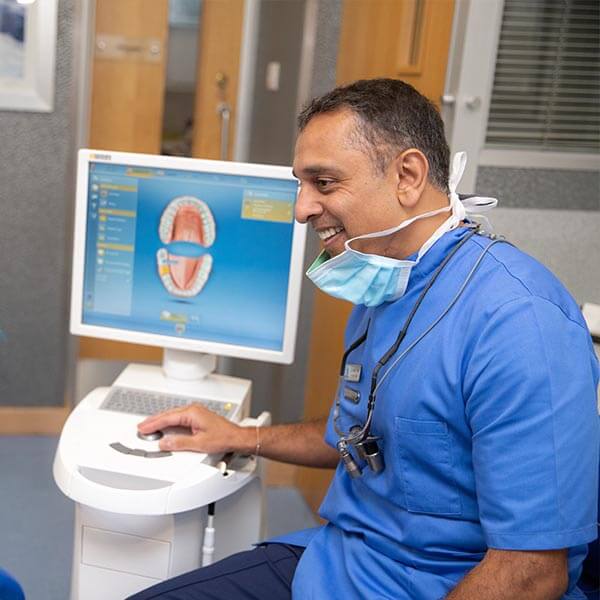
- Bite realignment: Using advanced scanners, we can check if your teeth meet correctly and make minor adjustments to balance your bite.
- Botox® for jaw tension: we offer targeted injections to relax overactive jaw muscles, significantly reducing pain and tension.
- Stress management & physiotherapy: We can provide guidance on exercises and lifestyle adjustments to help your jaw heal naturally.
If you suffer from persistent jaw tension, chronic headaches, or the side effects of grinding your teeth, you may find relief with a surprisingly effective treatment: Botox®.
While often associated with smoothing wrinkles, Botox® is actually a purified protein that acts as a powerful muscle relaxant. For our patients in Shepherd’s Bush, Hammersmith, and Holland Park, we can use this treatment to try to target the root cause of jaw pain.
The treatment involves a few small, targeted injections into the masseter muscle, the large muscle responsible for moving your jaw. Botox® works by gently blocking the nerve signals that tell this muscle to contract too strongly.
Book your consultation today
Located conveniently on Uxbridge Road, we have been a cornerstone of the West London community since 1992. Whether you are coming from the leafy streets of Holland Park or the busy hub of Hammersmith, our practice offers a relaxing, modern environment with expert care all under one friendly roof.
Don’t let jaw pain impact your quality of life. Our friendly team is ready to help you sleep better and protect your smile. As dental experts, we have an intimate knowledge of facial anatomy. This ensures your treatment is precise, safe, and tailored to your specific needs.
You don’t have to live with the discomfort of Bruxism or TMJ issues. We invite you to book a consultation at our Shepherd’s Bush practice to see if this treatment is right for you. Take the first step toward a pain-free smile.
Finance options
There may be an option to spread the cost of your treatment with a payment plan, arranged with our finance provider Tabeo. There is a handy finance calculator below to find out what your monthly payments for treatment could be, subject to suitability (minimum spend applies).
Finance calculatorBook an appointment
FAQs
While bruxism is often tied to the physical alignment of your teeth, modern sleep studies have shifted the focus toward the central nervous system. Essentially, teeth grinding is frequently a micro-arousal during sleep, a brief transition from deep sleep to a lighter stage. When your nervous system is overstimulated, these arousals happen more often, triggering the jaw to clench. Because of this neurological link, factors like high stress and anxiety act as primary catalysts, keeping your brain in a state of high alert that translates into physical tension overnight.
Following on from sleep studies, they found bruxism often starts with a type of sleep disturbance in the central nervous system. This means that factors such as stress and anxiety can make bruxism worse.
Botox® offers long-term relief for teeth grinding (bruxism) by specifically targeting and relaxing the masseter muscles, which are the primary muscles responsible for jaw clenching. When injected, the treatment temporarily reduces the intensity of muscle contractions without affecting your ability to eat or speak. Over time, because the muscles aren't working at full power during the night, they begin to lose some of their excess bulk and tension, a process known as muscle atrophy. This means that with consistent maintenance treatments every 3 to 6 months, many patients in Shepherds Bush find that their jaw learns to stay relaxed, leading to a significant reduction in chronic headaches, jaw soreness, and dental wear.
You are likely an excellent candidate for TMJ Botox® treatment if you suffer from persistent jaw pain, clicking sounds, or a locked feeling that hasn't responded well to traditional methods like night guards or physical therapy. This treatment is particularly effective for those who carry significant tension in their face or wake up with tension headaches localised around the temples. During a consultation in Shepherds Bush, our clinicians will check if your TMJ issues are muscular in nature; if your pain is caused by overactive muscles rather than structural bone damage within the joint.
There are three common causes of bruxism. These include stress and anxiety, sleep issues such as snoring and sleep apnoea, and taking certain medications such as certain anti-depressants.
To manage bruxism effectively, it is best to avoid habits that overwork your jaw muscles or overstimulate your nervous system. Try to limit the intake of stimulants like caffeine and nicotine, especially in the evening, as these can increase the frequency of grinding episodes during sleep. Similarly, while alcohol may seem relaxing, it disrupts your sleep quality and often triggers more intense jaw activity. On a physical level, avoid non-food chewing, such as biting your nails, chewing on pens, or frequent gum use, as these habits train your jaw muscles to stay tense and active. Finally, try to be mindful of daytime clenching during periods of concentration or stress; making a conscious effort to keep your lips together and teeth apart can prevent muscle fatigue from building up before you even go to bed.
020 8743 0585
For out of hours emergencies, please contact our emergency line on 07860 312459
Get Directions